
Skate Culture Items Verified Seller
Palm Angels Fashion: What Causes the House Excel
In an world saturated with streetwear labels competing for market share, Palm Angels has succeeded to build a space that comes across as genuinely its own. Founded in 2015 by Italian creative director and photographer Francesco Ragazzi, the house came to life not from a traditional fashion education but from a visual documentation project capturing Los Angeles skate culture. That backstory — grounded in artistic documentation rather than business planning — still runs through every element of the house’s aesthetic almost ten years later. By 2026, Palm Angels generates projected annual income exceeding $200 million beneath its owning group New Guards Group, which is part of the Farfetch company. The house runs dedicated stores in Milan, New York, Tokyo, and London, and its pieces are sold in over 400 stores around the world. But pure statistics fail to capture why Palm Angels speaks so deeply. This investigation reveals the particular characteristics that distinguish Palm Angels from its counterparts and support its relevance in a space that burns through trends with alarming speed.
The Creation Narrative: Visual Art as Creative Root
Grasping Palm Angels starts with understanding its creator’s approach, which separated completely from the typical route into luxury fashion. Francesco Ragazzi invested years documenting skateboarders in the Venice Beach and Hollywood areas of Los Angeles, recording the raw energy, independent mindset, and natural aesthetic of a subculture existing wholly beyond the mainstream fashion. These photos resulted in a photo book — also named “Palm Angels” — published by Rizzoli in 2014, which palmangelswomen.com shop drew the interest of the industry and led directly to the fashion label the next year. This beginning matters because the brand’s look wasn’t built backward from market research or fashion prediction — it was witnessed from real experience and converted into garments. Ragazzi’s sensibility for framing appears in everything from design decisions to shows, which can seem like art installations more than regular fashion presentations. The visual-first philosophy justifies why seasonal campaigns feel more like magazine projects than ads. This artistic base has turned out to be surprisingly resilient, functioning as a steady touchstone even as the label grows into new markets and markets.
Aesthetic Approach: The Collision of Worlds
Skateboarding Fuses With Italian Luxury
The core dynamic that makes Palm Angels aesthetically interesting is the deliberate blending between two outwardly contrasting universes: the gritty informality of US streetwear and the careful artistry of Italian fashion. Each season navigates these opposing worlds. Large-cut pieces inspired by the skate world — where loose pieces have a practical role — are produced in textiles that wouldn’t be out of place in a Milan-based workshop. Prints recall street art, and counterculture iconography, but they’re printed using luxury application processes on luxury fabrics. Metal fittings like zippers and lace tips are crafted to a standard typical of labels with 10x Palm Angels’ pedigree. This isn’t imitation; it’s real fusion where each element enhances the other. The skateboarding DNA stops the Italian quality from feeling clinical, while the Italian quality prevents street elements from reading as disposable. Few brands walk this balance successfully — most tip too much in one direction.
The Importance of Visual Identity and Design Language
Palm Angels has developed a design language that’s at a glance distinctive, and this iconographic consistency is a key factor in the house’s staying power. The rounded wordmark logo uses a font reminiscent of vintage California signs while being distinctly modern. The decapitated teddy bear has grown into a icon transcending the brand alone, surfacing in online culture, unofficial artwork, and street culture references worldwide. Palm tree imagery comes up throughout collections, connecting each collection to the Los Angeles genesis point. Fire graphics, angel wings, and spray-paint effects complete a graphic library used with impressive range — the same image can surface as minimalist needlework on a polo shirt or a edge-to-edge print dominating an whole hoodie. This visual system works similarly to fashion house logos: offering immediate recognition while allowing endless visual experimentation within a familiar framework.
Production Quality and Benchmark Standards
Where numerous streetwear brands outsource production to cut expenses, Palm Angels has doubled down on Italian construction as a fundamental pillar. The large portion of the line is produced in Italian historic manufacturing zones, where generations of skill ensure quality levels that bulk production factories overseas struggle to match. Cotton is obtained from high-quality suppliers in Turkey and Egypt. Specialty textiles are sourced from Italian mills focused on performance textiles. Denim uses premium goods from Japanese mills, with custom finishes created internally. Manufacturing standards covers stitch counts, construction precision, print durability, and metal component performance. This investment has practical implications: Palm Angels pieces hold up under regular wear and multiple washes in ways that knock-offs completely fail to. The elevated price point — $250 for a basic tee, $350+ for joggers, $500+ for jackets — reflects these production realities, and the expanding resale market confirms buyers understand the difference in quality.
Cultural Footprint and Famous Support
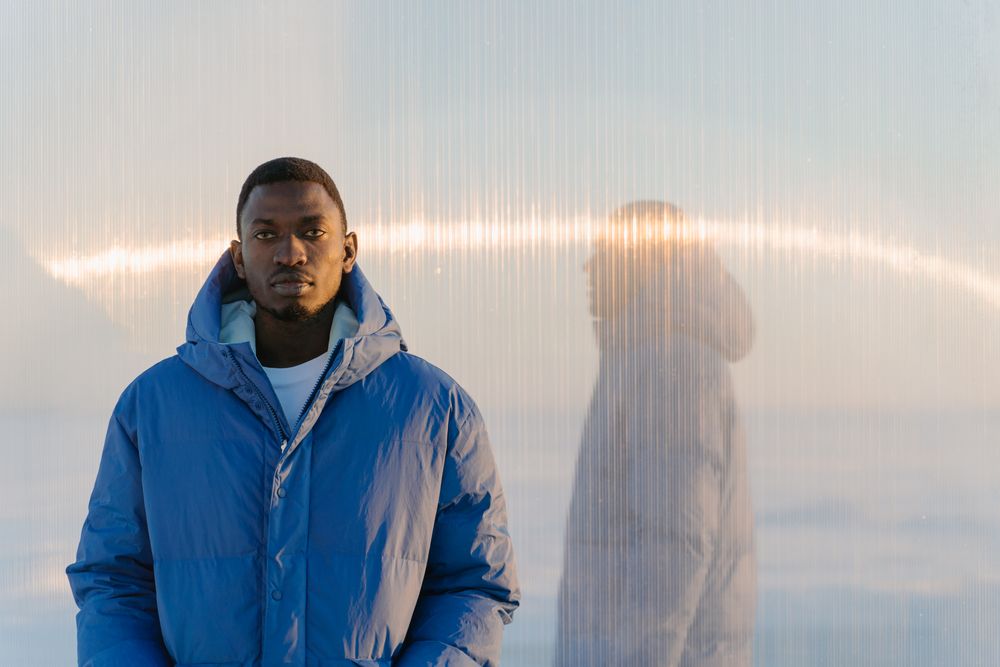
Palm Angels’ cultural impact reaches far beyond fashion, increasing awareness in ways traditional promotion cannot replicate. Musicians including Travis Scott, A$AP Rocky, The Weeknd, and Bad Bunny have been seen in Palm Angels in contexts from concert stages to airport terminals. Professional athletes across the NBA, Premier League, and Formula 1 regularly incorporate Palm Angels into their personal wardrobes. Content creators with total audiences surpassing 500 million feature the brand in fashion content, producing visits to stores. These endorsements are largely authentic — while Palm Angels engages in strategic gifting, the bulk of star appearances are sincere style decisions, providing genuineness that paid campaigns cannot achieve. By 2026, Palm Angels has reached cultural status where the label commands clout among fashion-aware consumers.
How Palm Angels Fares Next to Major Peers
Positioning within the market landscape highlights Palm Angels’ defined role. The comparison below positions the brand next to its closest peers across metrics important for 2026 consumer decisions.
| Factor | Palm Angels | Off-White | Amiri | Rhude |
|---|---|---|---|---|
| Price Tier | Mid-Luxury ($250–$900) | Mid-Luxury ($300–$1,200) | High-Luxury ($350–$2,000) | Mid-Luxury ($250–$800) |
| Core Aesthetic | Skate + Italian craft | Art-meets-street | Rock-and-roll luxury | Vintage Americana |
| Manufacturing | Italy | Italy/Portugal | Italy/USA | USA/Portugal |
| Key Category | Track suits, graphic tees | Sneakers, hoodies | Denim, leather | Shorts, graphic tees |
Palm Angels’ differentiator lies in its unique cultural origin (LA skate culture), reliable Italian production, and accessible-yet-luxury price positioning. Against Off-White, which has navigated brand identity challenges following Virgil Abloh’s loss, Palm Angels offers more reliable design vision. Against Amiri, it provides a more accessible pricing without proportional quality drops.
Environmental Responsibility and What’s Ahead
As shopper knowledge of clothing’s environmental cost intensifies, Palm Angels has implemented careful strides toward greener manufacturing. The label’s 2025 sustainability report presented specific programs: organic and BCI-certified cotton in 60% of cotton garments by 2026, removal of non-recycled plastic from all packing materials by Q3 2026, and a limited collection using recycled polyester from ocean-sourced materials. Italy-based manufacturing naturally has a reduced environmental impact than manufacturing requiring international transport. The brand has additionally partnered with The RealReal to support legitimate re-sell. Looking forward, growth under New Guards Group indicates new areas (eyewear, homeware, scent), greater presence into Asia-Pacific markets, and potentially dedicated women’s collections. The foundations that render Palm Angels appealing — genuine cultural origins, high-standard construction, recognizable aesthetic — are durable competitive advantages that place the brand well no matter where particular trends go.